
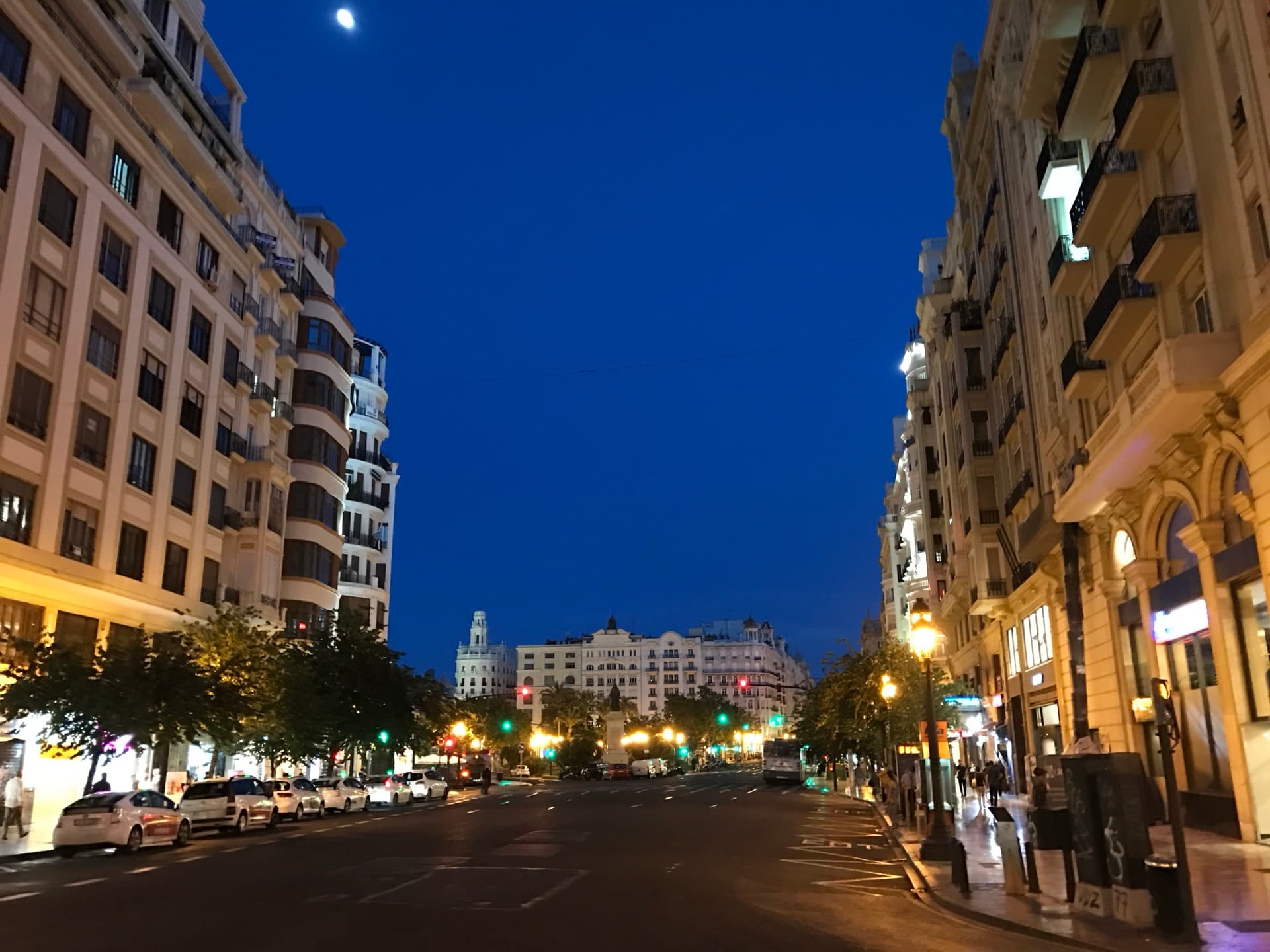
A Guide to Living in Madrid
Prepared for students, individuals, families and companies moving from Turkey to Madrid.
Welcome to Madrid
Beyond being one of Europe's most dynamic capitals, Madrid is one of the cities where Turkish citizens find cultural adaptation easiest. Combining Mediterranean warmth with European work discipline, and with a strategic location that gives access to both Latin American and European markets, Madrid is one of the most popular cities for Turks who want to live in Spain.
Known for its more than 300 days of sunshine a year, Madrid offers a way of life that loves time spent outdoors and values being sociable. It has much in common with Turkey: dinners that run late into the evening, lively street life, a family-centred society and a culture of hospitality.
What You Need to Know Before You Settle
When you settle in Madrid, there are three key administrative concepts you'll come across. Getting to know them in advance will make your process considerably easier.
NIE — Foreigner ID Number
The NIE (Número de Identidad de Extranjero) is the lifelong identification number assigned to every foreigner in Spain. You need it for everything: paying tax, opening a bank account, signing a tenancy agreement and all official procedures.
TIE — Residence Card
The TIE (Tarjeta de Identidad de Extranjero) is the biometric card that documents the legal residence of non-EU citizens in Spain. It carries your NIE number. You apply for it by booking a fingerprinting appointment (Toma de Huellas). These appointments can sometimes be hard to find in Madrid, so planning early is a real advantage.
Empadronamiento — Municipal Address Registration
Also known as the Padrón, this registration is the official declaration of the address where you live in Madrid. It's the basic document for using public healthcare, enrolling children in school and proving how long you've been resident. It's done by appointment at the municipal offices (Oficinas de Atención a la Ciudadanía) with your tenancy contract and passport.
Come Prepared From Turkey
Before you arrive in Madrid, preparing the following documents with an Apostille and a sworn Spanish translation will save you a great deal of time:
- Educational certificates (secondary school and/or university diploma)
- Criminal record certificate
- Marriage certificate (if applicable)
- Birth certificates (for children)
Neighbourhoods and Housing
Because of rising demand and limited supply, Madrid's property market is highly competitive in 2025/2026. Choosing the right neighbourhood has a direct effect on both your budget and your quality of life.
The most important reference point for understanding Madrid's geography is the M-30 ring road. This is a ring-shaped motorway that encircles the city centre, and in Madrid the distinction between "inside the M-30" and "outside the M-30" is the key boundary that determines both prices and lifestyle. The neighbourhoods inside the M-30 are central, expensive and dense; those outside are more spacious, more affordable and more family-oriented.
Inside the M-30 — Central Neighbourhoods
Salamanca — Madrid's most prestigious neighbourhood. Neoclassical architecture, luxury shops along Calle Serrano and Calle Ortega y Gasset, diplomatic missions and high security. Ideal for senior professionals and well-off families. Average rents are among the highest in the city (~€25–28/m²). Within the district, Recoletos, Castellana and Lista are the most sought-after areas.
Chamberí — The traditional spirit of Madrid. Quiet, tree-lined streets, local shops and quality restaurants. With parks and schools suited to families, it's away from the noise of the city centre but close to everything. The sub-areas of Trafalgar, Almagro and Arapiles stand out. One of the most balanced options for professionals and families alike.
Malasaña — A bohemian atmosphere, independent cafés, vintage shops and lively nightlife. One of the most popular neighbourhoods among students and young professionals. The area around Plaza del Dos de Mayo is the heart of its social life. Plenty of shared-flat options.
La Latina — One of Madrid's oldest neighbourhoods. Calle Cava Baja is famous for its tapas bars. The El Rastro flea market held on Sundays is an attraction for locals and tourists alike. Narrow streets, historic buildings and a strong neighbourhood identity. For young professionals and those wanting a culture-focused life.
Chueca — Madrid's cosmopolitan and LGBTQ+-friendly neighbourhood. Colourful streets, design shops and cocktail bars. Close to the Calle Fuencarral shopping axis. For young professionals and those working in the creative sector.
Retiro — Next to Retiro Park, a green-focused way of life. Broad avenues, a calm atmosphere and a central location. Perfect for families, retirees and those who want to live close to nature. The sub-areas of Ibiza and Niño Jesús are especially popular with families.
Moncloa-Aravaca — Home to the Complutense and Politécnica university campuses. A dense student population around the Argüelles and Moncloa metro stations. Shared-flat rents are more affordable and within walking distance of the campus. Madrid's most popular area for students.
Chamartín — The heart of the business world. Close to the corporate headquarters along the Castellana boulevard. A transport advantage thanks to the renovated Chamartín train station. For professionals and frequent business travellers.
Centro (Sol / Gran Vía / Ópera) — The heart of the city. Tourist density is high and it can be noisy at night. Not really recommended for long-term living, but there are plenty of short-stay and student-room options. Everywhere is just minutes away by metro.
Outside the M-30 — Suburbs and Emerging Areas
Pozuelo de Alarcón — Madrid's best-known expat suburb. A concentration of international schools (King's College, International School of Madrid), detached villas and homes with gardens, and a high quality of life. 20 minutes to the centre by Cercanías train. The most popular area for expat families with children.
Las Rozas — A similar profile to Pozuelo, slightly more affordable. Large shopping centres (the Las Rozas Village outlet), nature parks and family-friendly infrastructure. About 30 minutes to the centre by Cercanías.
Valdebebas — One of Madrid's newest development areas. Modern architecture, sustainable design and extensive green spaces. Very close to the airport. Appealing for those looking for new-build homes and for young families. Prices are significantly lower than in the centre.
Las Tablas / Montecarmelo — The fast-growing areas of northern Madrid. Modern blocks of flats, good public transport links and affordable prices. Popular among professionals and young couples.
Carabanchel — One of the most populous districts outside the M-30. A multicultural character, affordable rents and a developing food scene. In recent years it's been an area "discovered" by young professionals.
Usera — Madrid's Chinatown (Barrio Chino) is here. Affordable prices and strong public transport links. An option worth considering for budget-focused new arrivals.
Puente de Vallecas — One of Madrid's most affordable central areas. A strong neighbourhood culture and a metro connection. For students and budget-conscious professionals.
Alcobendas / San Sebastián de los Reyes — Suburbs to the north, close to the business hubs. An area dense with technology and finance companies. Family-friendly, with modern infrastructure. Easy access to the centre via the Metro Ligero and bus connections.
Neighbourhood Summary by Target Group
| Profile | Recommended Neighbourhoods |
|---|---|
| Student | Moncloa, Argüelles, Malasaña, La Latina, Delicias |
| Young professional | Malasaña, Chueca, Chamberí, La Latina, Las Tablas |
| Couple (no children) | Chamberí, Retiro, Chamartín, Las Tablas |
| Family with children | Chamberí, Retiro, Pozuelo, Las Rozas, Valdebebas |
| Senior professional | Salamanca, Chamberí, Chamartín |
| Budget-focused | Carabanchel, Usera, Puente de Vallecas, Alcobendas |
Rents (2026)
Average rents in Madrid are around €21–23 per m² per month. But they vary considerably by neighbourhood and flat size:
| Type of Flat | Inside the M-30 (Average) | Outside the M-30 (Average) |
|---|---|---|
| Studio (25–35 m²) | €900 – €1,100 | €600 – €800 |
| One-bedroom flat (40–55 m²) | €1,100 – €1,500 | €750 – €1,000 |
| Two-bedroom flat (65–85 m²) | €1,600 – €2,200 | €1,000 – €1,400 |
| Three-bedroom flat (90–120 m²) | €2,200 – €3,000 | €1,300 – €1,800 |
| Student room (shared flat) | €500 – €700 | €350 – €500 |
Budget-friendly neighbourhoods: in areas outside the M-30 such as Carabanchel, Usera and Puente de Vallecas, rents can run 30–40% below those in the centre. As the metro connections are good, getting to the centre is no problem.
Luxury areas: in Salamanca the rent for a two-bedroom flat can reach the €2,500–€3,500 band, and in Chamberí the €2,000–€2,800 band. In Pozuelo, detached-villa rents start from €3,000.
Points to Watch in the Rental Process
In Spain, standard tenancy agreements are usually for one year and give the tenant the right to extend for up to five years. A deposit of one to two months' rent is required. The agent's commission, where there is one, is usually one month's rent plus VAT; however, since 2024, new rules have made it compulsory in some areas for the commission to be paid by the landlord.
The most widely used platforms for finding a rental home in Madrid are Idealista, Fotocasa and Pisos.com. For international students and those looking for short-term lets, HousingAnywhere, Spotahome and Uniplaces are also good alternatives. Be careful of fraud: don't pay any money before seeing the property, and always sign an official tenancy agreement.
Education and Families With Children
In Spain, education is compulsory between the ages of 6 and 16. There are three main types of school in Madrid:
Types of School
State Schools (Público) — Free. The Spanish curriculum is taught. There's no cost apart from textbooks and some extra activities (around €200–€400 a year in additional costs). It's the strongest option for full social integration.
Semi-Private Schools (Concertado) — Funded by a partnership between the state and the private sector. Usually affiliated with a religious foundation or organisation. A contribution of €100–€300 a month is charged.
International / Private Schools (Privado / Internacional) — Offer the British, American or IB curriculum. Annual fees range from €8,000 to €25,000. Well-known international schools in Madrid include the International School of Madrid, King's College, St. George's and the British Council School.
Diploma Recognition (Homologación)
For a secondary school diploma obtained in Turkey to be valid in Spain, you need an Apostille, a sworn Spanish translation and an application to the Spanish Ministry of Education. While the process is ongoing, a "Volante de Inscripción Condicional" (conditional enrolment certificate) can be used to enrol the student in a school.
Recognition of a university degree is subject to different procedures (Homologación or Equivalencia) depending on whether the profession is regulated in Spain.
Universities in Madrid
Madrid is Spain's strongest higher-education hub and home to the country's largest international student population. Annual fees at state universities are usually between €1,000 and €4,000, while at private universities this figure can rise to €10,000–€20,000. Many universities offer programmes in English.
Main State Universities:
Universidad Autónoma de Madrid (UAM) — One of Spain's most prestigious universities. Its main campus is in Cantoblanco (northern Madrid). Strong in the sciences, law, medicine and the social sciences. It is consistently among Spain's highest-ranked universities worldwide.
Universidad Complutense de Madrid (UCM) — Founded in 1293, one of Europe's oldest and largest universities. With more than 86,000 students, it's Spain's largest university. Its Ciudad Universitaria campus is in Moncloa. It stands out in medicine, law, literature, journalism and mathematics.
Universidad Politécnica de Madrid (UPM) — Spain's leading university for engineering and architecture. Its campuses are spread across the city. Aeronautics, civil engineering, computer engineering and agricultural sciences are its strong areas.
Universidad Carlos III de Madrid (UC3M) — With campuses in Getafe, Leganés and Puerta de Toledo. A selective university known for its high entry requirements in business, law, economics and engineering. The proportion of international students is high, and most programmes are offered in English and Spanish together.
Universidad Rey Juan Carlos (URJC) — A young but fast-growing state university with five campuses in south-west Madrid and more than 45,000 students.
Universidad de Alcalá (UAH) — In the historic town of Alcalá de Henares, 30 km east of Madrid. A long-established university known for its UNESCO World Heritage-listed campus.
Main Private Universities:
IE University (IE Business School) — Consistently among the best business schools in the world rankings. Strong in business, finance, law and international relations. Programmes are offered entirely in English. Its Madrid campus is in a single skyscraper.
Universidad Pontificia Comillas (ICADE/ICAI) — One of Spain's most respected private universities in business, law and engineering. It has a campus in the city centre.
Universidad CEU San Pablo — With campuses in Moncloa-Aravaca and Montepríncipe. Communication, health sciences, business and law are its strong areas.
Universidad Europea de Madrid — A large campus in Villaviciosa de Odón. The proportion of international students is around 40%. Its health, sports science and engineering programmes stand out.
Tax Advantages and the Financial Picture
The Beckham Law (Special Tax Regime)
One of the biggest financial advantages for professionals who want to live in Spain is the Special Impatriate Tax Regime, known as the "Beckham Law".
Main advantages:
- A flat 24% tax rate applies on Spanish-sourced income up to €600,000 a year (the normal progressive system rises to 47%).
- Income from outside Spain (dividends, interest, rent, investment gains) is not taxed in Spain.
- Overseas assets are exempt from Spanish wealth tax.
- It applies for 6 years, including the year of arrival.
Who can benefit:
- Those who have not been tax residents in Spain in the last 5 years
- Those in Spain on an employment contract, a company assignment or a Digital Nomad Visa
- Spouses and children under 25 can also benefit from the regime
Critical warning: the application must be made using the Modelo 149 form within 6 months of arrival in Spain or of social security registration. This deadline is strict; if it's missed, the right to benefit from the regime is permanently lost.
Banking
For new arrivals in Madrid, opening a bank account is one of the first steps. Some banks allow you to open an account even before your TIE card has been issued:
- CaixaBank (HolaBank) — The bank with the largest branch and ATM network in Spain. The HolaBank programme is designed specifically for foreign customers; it offers multilingual support, a free translation service and 100% online account opening. After opening the account, you need to visit a branch within 6 months to verify your identity.
- Banco Sabadell (Key Account) — An expat-specific package; it offers English-language support and up to 10 free sworn translations. Its commercial banking services for company formation are also strong.
- BBVA (bbva.es) — The link with Garanti BBVA in Turkey can make things operationally easier for Turkish users. It has a commission-free digital account option and the best-rated mobile banking app in Spain.
- Santander (santander.es) — A wide branch network and global reach. It offers non-residents the option of opening an account online with a passport. It is strong on property finance.
- N26 (n26.com) / Revolut (revolut.com) — Digital banking; fast allocation of a Spanish IBAN, no maintenance fee. Fully compatible with bill payments and local payment systems such as Bizum. You can open an account before you arrive in Madrid.
Tip: many new arrivals use two accounts — a traditional bank (CaixaBank, Sabadell or BBVA) for daily life and a digital bank (N26 or Revolut) for international transfers. Bizum (Spain's instant payment system) support has become almost essential in daily life; check Bizum compatibility when you open an account.
Setting Up a Company
Madrid acts as a strategic bridge between Turkey and the European and Latin American markets. For entrepreneurs who want to set up a company in Spain, the most common structure is the Sociedad Limitada (SL).
Key Facts About the SL
- Minimum capital: legally it can be set up with €1, but in practice €3,000 is recommended (until €3,000 is reached, the shareholders' personal liability continues).
- Set-up cost: apart from the capital, you should budget a total of around €4,000–€6,000, including notary, registry and administrative costs.
- Corporate tax: the general rate is 25%; for newly created companies, 15% applies to the first €300,000 of profit in the first two profitable years.
- VAT (IVA): the standard rate is 21%.
- Foreign ownership: 100% foreign capital is permitted. All foreign shareholders and directors must obtain an NIE.
Office and Coworking
While office rents in the centre of Madrid (the CBD) are in the €25–35 per m² per month band, in areas such as Las Tablas and Alcobendas they drop to the €12–18 level. A desk in a coworking space starts from €150–€250 a month.
Daily Life and Costs
Compared with London or Paris, Madrid is a more affordable capital. But compared with prices in Turkey, housing and energy costs in particular can feel high.
Monthly Expenses (One Person, Average)
| Expense Item | Estimated Monthly Amount |
|---|---|
| Rent (one-bedroom, central) | €1,000 – €1,500 |
| Electricity, water, gas | €100 – €150 |
| Internet + mobile | €30 – €50 |
| Groceries (one person) | €200 – €300 |
| Public transport (Abono, Zone A) | €32.70 |
| Eating out (menú del día) | €10 – €15 / meal |
Transport
Madrid's transport infrastructure is among the most advanced in Europe. It offers a comprehensive network, from city public transport to high-speed trains, and from airport connections to bike-sharing.
The Airport — Adolfo Suárez Madrid-Barajas (MAD)
Madrid-Barajas is one of Europe's largest airports, with four main terminals (T1, T2, T3, T4). T4 and T4S (the satellite terminal) host Iberia and oneworld alliance flights. You can walk between T1–T3; a free shuttle bus runs to T4 (24/7).
Getting from the airport to the city centre:
Metro (Line 8 — the Pink Line): the most practical and affordable option. About 20 minutes to Nuevos Ministerios from T4, about 15 minutes from T1-T2-T3. It runs from 06:05 to 01:33, with a service every 6–8 minutes during the day. You pay a standard ticket plus a €3 airport supplement (around €4.50–€5 in total). From Nuevos Ministerios, you can change to Line 6 and Line 10 to reach any part of the city.
Cercanías train (C1 / C10): about 15 minutes from the T4 terminal to Chamartín, about 30 minutes to Atocha and about 45 minutes to Príncipe Pío. The ticket is around €2.60. For those with an AVE or Iryo high-speed train ticket, the Cercanías is free ("Combinado Cercanías"). Passengers arriving at T1-T2-T3 first need to take the free shuttle to T4.
Exprés Aeropuerto (Airport Bus): runs 24/7 between Atocha (during the day) and Cibeles (at night), calling at all terminals. It takes around 40 minutes and costs around €5. The best alternative when the metro is closed at night.
Taxi: a fixed €30 fare applies to all points within the M-30. Take a taxi from the official rank at the airport exit. Uber and Cabify also operate, with designated pick-up points.
City Public Transport
Madrid's public transport system is run by the Consorcio Regional de Transportes de Madrid (CRTM). The metro, buses, light rail (Metro Ligero) and Cercanías suburban trains can all be used with a single Tarjeta Transporte Público card.
Metro: 13 lines, 300+ stations. The largest metro network in Spain and the third largest in Europe. It runs from 06:00 to 01:30. There's no night metro, but there are night buses (Búho — "Owl").
EMT Buses: cover the whole city with 200+ lines. Night lines (the N-series) run from Plaza de Cibeles and reach every part of the city when the metro is closed.
Cercanías (Suburban Trains): connect Madrid with the surrounding cities and suburbs over 10 lines. Atocha, Chamartín and Sol are the main interchange points. They're the key means of reaching suburbs such as Pozuelo, Las Rozas and Alcalá de Henares.
2026 Abono (Monthly Pass) Prices:
| Profile | Price | Coverage |
|---|---|---|
| Under 7 | Free | All zones |
| 7–14 | Free | All zones |
| 15–25 (Abono Joven) | €10/month | All zones, unlimited |
| 26–64, Zone A (central) | €32.70/month | Metro, bus, Metro Ligero |
| 26–64, Zone B1 | €38.20/month | |
| 26–64, Zone B2 | €43.20/month | |
| Over 65 | Free | All zones |
10-trip card (Metro/EMT/Metro Ligero): €7.30
Thanks to subsidies in place since 2022, these prices are discounted by 40–50%, and they've been confirmed as valid until the end of 2026.
BiciMAD (Bike-Sharing Scheme): an electric bike-sharing network with stations spread across the city. Annual membership is around €25, and the first 30 minutes is free each time. Ideal for short-distance travel and for exercise.
Railways — High-Speed and Long-Distance
Madrid is the hub of Spain's rail network. It has two main train stations:
Madrid Atocha: in the south of the city. AVE high-speed trains and Iryo and Ouigo services depart from here. Direct connections to cities such as Barcelona, Seville, Málaga, Valencia and Córdoba. Atocha is also the largest interchange point of the Cercanías network.
Madrid Chamartín-Clara Campoamor: in northern Madrid, a recently renovated station. For northern Spain (Bilbao, San Sebastián), Galicia (Santiago, Vigo) and international lines. There's a direct connection between Chamartín and Atocha via Cercanías.
Sample high-speed train (AVE / Iryo / Ouigo) journey times:
| Route | Time | Early-Booking Price Range |
|---|---|---|
| Madrid → Barcelona | ~2 hr 30 min | €30 – €100 |
| Madrid → Seville | ~2 hr 20 min | €25 – €80 |
| Madrid → Valencia | ~1 hr 40 min | €20 – €60 |
| Madrid → Málaga | ~2 hr 30 min | €25 – €80 |
| Madrid → Toledo | ~30 minutes | €10 – €15 |
| Madrid → Segovia | ~30 minutes | €10 – €15 |
Tip: Ouigo and Iryo offer low-cost high-speed train services. Tickets can drop to very affordable prices when booked in advance. Tickets can be bought through the Renfe, Iryo and Ouigo apps.
Driving
It's possible to use a private car in Madrid, but the Madrid 360 low-emission zone (ZBE) restrictions apply in the city centre. Vehicles without an environmental label are banned from entering the area inside the M-30. Parking in central areas is paid and limited (the SER system). In daily life, public transport is more practical than a car in most cases.
For intercity travel, car hire options are plentiful; all the major international hire companies are available at the airport. Uber and Cabify operate widely within the city.
Food and Drink Culture
In Madrid, food isn't just nourishment — it's a cornerstone of social life. The city offers a rich culinary world that caters to every budget and palate, from traditional Spanish cuisine to Michelin-starred restaurants, and from neighbourhood markets to an international gastronomy scene.
The Daily Meal Pattern
Spanish meal times are late, much like in Turkey, but a little more pronounced. Breakfast (desayuno) is usually light: a café con leche (coffee with milk) and a tostada (toasted bread with olive oil and tomato, or butter and jam). Many Madrileños have breakfast not at home but at the neighbourhood café they stop at on the way to work. A breakfast costs around €2–€4.
Lunch (comida/almuerzo) is the most important meal of the day and is usually eaten between 14:00 and 15:30. The menú del día is a staple of Spanish working life: a set menu of a starter (primer plato), a main course (segundo plato), a dessert or coffee, and bread + a drink, priced at €10–€16 depending on the restaurant. For both students and professionals, it's the most economical and filling way to eat each day. Almost every restaurant and bar offers the menú del día at lunchtime.
Dinner (cena) starts late: 21:00 on weekdays and 22:00–23:00 at the weekend is normal. Dinners can be lighter than lunch; tapas, ensaladilla or a plate of jamón with beer/wine is a common choice.
Sobremesa — lingering at the table chatting after a meal — is an inseparable part of Spanish culture. Waiters won't rush you; the bill only comes when you ask for it. Embracing this rhythm is one of the most enjoyable ways to settle into Madrid.
Tapas and the Tapeo Culture
Tapeo — moving from bar to bar eating small portions (tapas) — is the heartbeat of Madrid's social life. You go to a bar, have a tapa or two and a drink, then move on to the next. It's not a meal but a social ritual.
In Madrid, tapas are usually priced between €3 and €6. A caña (small beer) is €1.50–€2.50, and a glass of wine (vino tinto/blanco) is around €2–€4. In some traditional bars, a small tapa is served free with your drink.
The best-known neighbourhoods for tapas:
La Latina — Calle Cava Baja and Calle Cava Alta are known as Madrid's tapas paradise. Going on a tapas crawl here after the El Rastro flea market on Sundays is a Madrid classic.
Malasaña — More modern and creative tapas spots. Fusion cuisine and craft beer bars.
Lavapiés — Madrid's most multicultural neighbourhood. Indian, Chinese, Moroccan, Senegalese and Latin American cuisines side by side. Affordable and authentic.
Chueca — Stylish tapas bars, cocktail spots and a brunch culture.
Huertas (Barrio de las Letras) — Tapas accompanied by historic tabernas and live music.
Madrid's Iconic Dishes
Madrid's cuisine is hearty, filling and seasonal. Dishes you must try:
Cocido Madrileño — Madrid's national dish. A chickpea-based stew prepared with various meats and vegetables. It's traditionally served in three stages: first the soup (sopa), then the chickpeas and vegetables, and finally the meats. It's offered in restaurants as a menú del día, especially in winter. La Barraca, Malacatín and La Bola are the best-known cocido spots.
Tortilla Española — Spanish omelette. Made with egg, potato and (optionally) onion. Found in every bar and café. Whether the inside is runny (poco hecha) or fully cooked (muy hecha) is a personal preference. Casa Dani (Mercado de la Paz) serves Madrid's most famous tortilla.
Bocadillo de Calamares — Fried squid sandwich. A classic of the bars around Plaza Mayor. Around €3–€5, a quick and filling street food.
Jamón Ibérico — Iberian ham, Spain's most famous product. "Bellota" (acorn-fed) is the highest quality. A plate of jamón ibérico is €8–€15 in a bar, and 100 g packs in the supermarket are €3–€8. In Madrid there's a "jamonería" (ham shop) on every corner.
Patatas Bravas — Fried potatoes with a spicy tomato sauce (salsa brava) and sometimes aioli. A classic tapa found in almost every bar. Each place has its own recipe.
Gambas al Ajillo — Prawns in garlic and olive oil. Served in a hot earthenware dish. A favourite of everyone who loves seafood.
Churros con Chocolate — Pieces of fried dough served with thick hot chocolate. Eaten at breakfast or after a night out. Chocolatería San Ginés (open since 1894, serving 24/7) is Madrid's most iconic churros spot.
Markets (Mercados)
Madrid's covered market (mercado) culture is essential both for buying fresh produce and for gastronomic discovery. In recent years, many historic markets have been transformed by adding gourmet stalls and seating areas alongside the traditional stands.
Mercado de San Miguel (next to Plaza Mayor) — Touristy but impressive. Tapas, seafood, Spanish cheeses, olive oil, wine tasting. Prices are high but the experience is worthwhile.
Mercado de la Paz (Salamanca) — More local, less touristy. Quality butcher's, fishmonger's and delicatessen stalls. Casa Dani is here.
Mercado de Vallehermoso (Chamberí) — Modern and a favourite with locals. Fusion food stalls and craft beer bars alongside the traditional stands.
Mercado de la Cebada (La Latina) — Budget-friendly, neighbourhood-focused. Fresh fruit and vegetable prices below those of the supermarkets.
Mercado de Antón Martín (Lavapiés) — Multicultural cuisine. Japanese, Mexican, Italian and Spanish stalls side by side.
Mercado de San Fernando (Lavapiés) — A community-focused market. Local producers, organic products and cultural events.
Grocery Shopping
For daily grocery shopping, one person can set aside around €200–€300 a month, a couple €350–€500 and a family €500–€700. The main supermarket chains:
Mercadona — Spain's most popular supermarket chain. A very good price-quality balance, with its own brand ("Hacendado") being high quality and affordable. Its fresh bread, meat, fish and ready-meal sections are strong.
Lidl — The German chain known across Europe. Affordable prices, with special products that change weekly. A good-quality fruit and vegetable section.
Carrefour — A wide product range in a hypermarket format. It has both city-centre mini-markets (Carrefour Express) and large stores in the suburbs.
Ahorramas — A local chain specific to Madrid. Strong on fresh products, especially its butcher's and delicatessen sections.
El Corte Inglés Supermercado — The supermarket of the luxury segment. Imported products, gourmet foods and international brands. Prices are high but it's ideal for hard-to-find items.
Dia — Budget-focused, small-format shops. Found on every corner in the city.
Tip: for fresh fruit and vegetables, choose the neighbourhood markets (mercados de abastos) or the street markets held on Saturday mornings rather than the supermarkets. They're both fresher and more affordable. Mercadona and Lidl, meanwhile, offer the best price-quality ratio for general grocery shopping.
Total Monthly Budget Summaries
| Profile | Estimated Monthly Total |
|---|---|
| Student (shared flat) | €900 – €1,300 |
| One person (professional) | €1,800 – €2,500 |
| Couple | €2,500 – €3,500 |
| Family of 4 | €3,500 – €4,500 |
The Healthcare System
Spain's public healthcare system (the Sistema Nacional de Salud) is ranked by the World Health Organization as one of the best in the world.
For employees and their families, public healthcare is free. With social security registration you obtain a SIP card (Tarjeta Sanitaria) and are assigned a family doctor (médico de cabecera).
For holders of a digital nomad visa or an income-based visa, comprehensive private health insurance is compulsory. The insurance is expected to be "sin copago" (without co-payment) and to cover all the risks covered by the Spanish public system.
The Turkey–Spain Social Security Agreement
The Social Security Convention signed between the two countries protects Turkish citizens' healthcare and pension rights in Spain. Those sent to Spain on a temporary assignment by a Turkish company (for up to 12 months) can be exempted from insurance contributions in Spain with a CE.1 certificate obtained from the SGK.
Social Life
In 2026, Madrid was named Europe's best travel destination by European Best Destinations. But Madrid's real magic lies beyond its tourist attractions, in daily life itself. The city offers a culture that loves time spent outdoors and treats being sociable as a way of life.
The Daily Rhythm
Madrid's daily rhythm is similar to Turkey's in many ways, but with a few critical differences. Lunch is usually eaten between 14:00 and 15:30 and is the most important meal of the day for the Spanish. Dinner starts at 21:00–22:00; at weekends this can slip to 23:00. "Sobremesa" — lingering at the table chatting after a meal — is an inseparable part of Spanish culture and plays an important role in business relationships too.
Although the siesta has lost its former force in the big cities, some small shops and tradespeople may be closed between 14:00 and 17:00 in the afternoon. Large stores, supermarkets and shopping centres, however, stay open throughout.
Food and Drink Culture
Madrid's gastronomy scene has options to suit every budget. The menú del día (set lunch menu) is a three-course set menu (starter, main, dessert or coffee) offered by Spanish restaurants at lunchtime, usually priced between €10 and €15. For both students and professionals, it's the most economical way to eat each day.
Tapeo — moving from bar to bar eating small portions (tapas) — is the heartbeat of Madrid's social life. La Latina, Malasaña and Chueca are the neighbourhoods where this culture is most vibrant. Going on a tapas crawl along Calle Cava Baja after the El Rastro flea market in La Latina on Sundays is one of Madrid's classics.
The neighbourhood-based Mercado (covered market) culture is an ideal setting both for buying fresh produce and for mixing with locals. Mercado de San Miguel, Mercado de la Paz and Mercado de Vallehermoso are among the best known. In these markets you can find fresh seafood, Spanish cheeses, olive oils and delicatessen products.
For supermarket shopping, Mercadona, Lidl, Ahorramas and Carrefour are the most common chains. Mercadona stands out in particular for its price-quality balance and is Spain's most popular supermarket.
Nightlife
Madrid is among Europe's leaders in the number of bars per head of population. Nightlife usually starts at 22:00–23:00 and, at the weekend, runs into the early hours of the morning. Each neighbourhood has its own atmosphere:
Malasaña — Indie music, lively bars, alternative culture. The most popular nightlife area among young professionals and students.
Chueca — Madrid's cosmopolitan and LGBTQ+-friendly neighbourhood. Colourful bars, cocktail spots and an open-minded atmosphere.
La Latina / Lavapiés — Traditional tabernas, flamenco venues and a multicultural street life.
Huertas (Las Letras) — The historic literary quarter. Live music bars and traditional Spanish tabernas side by side.
Gran Vía / Sol — The city's main axis. Rooftop bars, cinemas and large entertainment venues. The rooftop terrace of the Círculo de Bellas Artes is one of Madrid's most iconic viewpoints.
Culture and the Arts
Madrid is home to one of the densest museum areas in the world. In the area known as the Golden Triangle of Art (Triángulo del Arte), three great museums sit side by side: the Museo del Prado (Velázquez, Goya, El Greco), the Museo Reina Sofía (Picasso's Guernica) and the Museo Thyssen-Bornemisza. These museums offer free admission on certain days and at certain times.
Retiro Park, a 125-hectare green space on the UNESCO World Heritage list, is Madrileños' weekend meeting point. Inside it are the Crystal Palace (Palacio de Cristal), rose gardens, a lake and open-air exhibitions.
Madrid also has a festival calendar that runs throughout the year. The San Isidro Festival, celebrated in May, is a great folk festival held in honour of the city's patron saint and spread across all the neighbourhoods. In autumn, events such as the ARCOmadrid contemporary art fair, Madrid Fashion Week and Noche en Blanco (White Night) turn the city into a cultural hub. In 2026, Madrid is also hosting the Formula 1 Spanish Grand Prix for the first time, in the IFEMA area.
Sport
Football is Madrid's greatest passion. Real Madrid's renovated Santiago Bernabéu Stadium and Atlético de Madrid's Civitas Metropolitano Stadium offer a world-class sporting experience. Match days are a social event that affects the whole city.
Beyond that, Madrid has excellent infrastructure for running and cycling. The Madrid Río park, Casa de Campo (larger than Central Park) and Retiro Park are ideal for those who love an active life. The BiciMAD bike-sharing system is widespread across the city, and annual membership is around €25.
Green Spaces and Nature
For a capital, Madrid is a surprisingly green city. Alongside Retiro Park, the main green spaces within the city are Casa de Campo (1,700 hectares), Parque del Capricho (a hidden gem with its romantic gardens) and Madrid Río (a walking and cycling route along the Manzanares river).
For weekend getaways, the area around Madrid offers rich options too. The Sierra de Guadarrama national park is about an hour from the city and is ideal for hiking, skiing and outdoor sports. Historic cities such as Toledo, Segovia and Ávila are 30–60 minutes away by high-speed train (AVE); with tickets booked in advance, you can reach them for as little as €30–€40.
Tips for Cultural Adaptation
Knowing Spanish dramatically speeds up integration. Although it's possible to manage daily tasks with English in Madrid, Spanish is almost essential in official institutions, the healthcare system and your social circle. The city has many language schools (the EOI — Escuela Oficial de Idiomas is state-supported and very affordable) and intercambio (language exchange) groups.
In Spanish business culture, lunches are long and face-to-face communication comes before email. Arriving 5–10 minutes late is considered normal in social settings, but punctuality is expected in business meetings.
One of the best things about living in Madrid is the city's cosmopolitan character. Through expat communities from different countries, international meet-up groups and cultural events, it's quite easy to meet new people. Meetup.com, InterNations and Couchsurfing events are good starting points for this.
Useful Resources
- Empadronamiento appointment: sede.madrid.es
- NIE/TIE appointment: sede.administracionespublica.gob.es
- Property search: idealista.com, fotocasa.es, pisos.com
- Public transport information: crtm.es
- Tax matters: agenciatributaria.gob.es
This guide has been prepared for information purposes for individuals planning to move from Turkey to Madrid. Mi Casa Europa has no advertising or partnership relationship with the institutions and services mentioned in the content. This content does not constitute investment advice of any kind.
Tags
- spain
- madrid
- living
- expat
- relocation
- tax